Croydon keeps building. From infill plots near Purley Oaks and extensions in South Croydon, to multi-unit developments rising along the Brighton Road corridor, the pace brings cranes, concrete, and the quiet complexity of trees. On any site with existing trees, a competent tree surgeon is not a nice-to-have. They are part ecologist, part engineer, part negotiator, and they can save months of delay and tens of thousands in avoidable costs. This is a practical guide to how a Croydon tree surgeon supports development and construction, what developers often miss, and where the risks and opportunities lie.
The construction context in Croydon
Croydon’s urban fabric mixes Victorian streets, post-war estates, and new-build apartments. The borough’s topography breaks from flat London norms, with clay soils, local sand and gravel lenses, and pockets of shrinkable London Clay. Mature oaks near Sanderstead, plane trees in central Croydon, sycamores along back boundaries, and conifers around Addington all interact with foundations, drainage, light, and logistics. Planning policy reflects this sensitivity. The Croydon Local Plan protects trees of amenity value, and Tree Preservation Orders are widespread across conservation areas such as Croham Hurst and The Waldrons. On the ground, this translates to early surveys, careful method statements, and often a redesign of your site layout to accommodate root protection areas.
Most development risk around trees is foreseeable. It tends to cluster around three repeated points: insufficient surveys, groundwork conflicts (foundations and services), and inadequate protection during the build. A good tree surgeon in Croydon will tackle all three with a blend of survey discipline and site pragmatism.
The core services a Croydon tree surgeon provides to development teams
A seasoned team offering tree surgery in Croydon typically spans consultancy and implementation. On the consultancy side, you will see pre-planning surveys, constraints advice, and detailed arboricultural method statements. On the operational side, there is pruning, specialist dismantling near highways, root protection installation, and tree removal within strict legal frameworks. The interfaces with planning officers, utility contractors, neighbours, and site managers are as important as the chainsaw skills.
Tree surveys that withstand planning scrutiny
There are two common survey levels: the BS5837 tree survey to support planning, and the tree condition survey for safety and maintenance. For developments, the BS5837 survey is the backbone. Expect the following outputs when you engage experienced Croydon tree surgeons for pre-application or formal submission:
- A structured schedule of trees with species, dimensions, age class, physiological condition, structural condition, preliminary management recommendations, and category grading (A, B, C, U). The grading is crucial because it shapes the site layout and informs planners which trees should be kept or are viable to remove. Scaled drawings showing canopy spreads, root protection areas, and shade arcs, with constraints layered over the proposed footprint, parking, and access routes. A high-quality overlay often prevents later clashes between RPA boundaries and piled positions. Pragmatic commentary for your architect and engineer. For example, if a semimature London plane on the western boundary will cast afternoon shade across three proposed balconies, the survey should flag this early so balcony positions or species selection can be altered.
In Croydon, where conservation areas are abundant and many gardens hold mature specimens, this survey work needs accuracy and diplomacy. A Croydon tree surgeon with local knowledge knows which streets have historic planting, which officers expect root investigation, and which sites have subsidence histories linked to clay shrinkage.
Arboricultural Impact Assessment and Method Statement
Once the design is firm, you will need an Arboricultural Impact Assessment (AIA) and Arboricultural Method Statement (AMS) in line with BS5837. The AIA identifies how the proposed development affects retained trees. The AMS describes how to build around them without damage. The best AMS documents read like site instructions: specific, sequenced, and measurable. They usually set out:
- Tree protection measures such as fencing to BS5837 specification with clear offsets relative to trunks and known roots. Ground protection where temporary construction traffic must cross RPAs, often using cellular confinement systems or sacrificial surfacing over geotextile and woodchip layers. Service runs and drainage layouts designed to avoid open trenching in RPAs. Where services must cross roots, the AMS will mandate hand digging, air spade use, or thrust boring at specified depths. A timetable of arboricultural supervision, including pre-start toolbox talks, sign-off checks before excavation in RPAs, and monitoring visits at defined build stages.
Construction managers appreciate an AMS that anticipates sequencing. For instance, placing the crane for a steel install might be possible before protection fencing goes up, but the same crane cannot operate once the fencing is installed. A Croydon tree surgeon who understands programme pressures will sequence protection to avoid site dead-ends.
Planning applications, TPOs, and conservation areas
Applying to work on protected trees is everyday work for a tree surgeon in Croydon. The pitfalls are predictable. Failing to recognise a conservation area boundary can trigger enforcement. Applying for exact cubic metres of crown reduction rather than a percentage or clear end-result can invite refusal. Vague reasons such as “messy leaves” do not meet policy tests.
Croydon tree removal for development demands tight justification. Planners will weigh public amenity against your scheme benefit. The argument strengthens when your team shows genuine retention effort, precise mitigation, species-led reasoning, and a landscape plan with larger replacement stock that increases canopy cover within a reasonable period. If a B-category oak conflicts with the only viable affordable housing access, demonstrate design options considered, root investigations undertaken, and the net biodiversity gain from your planting palette.
Experienced tree surgeons Croydon teams maintain relationships with planning officers and can sense when an application needs additional evidence, such as ground-penetrating radar for roots under a footpath or a decay detection report for a compromised stem. These are technical levers that lead to approval rather than an appeal.
Tree removal and dismantling in tight spaces
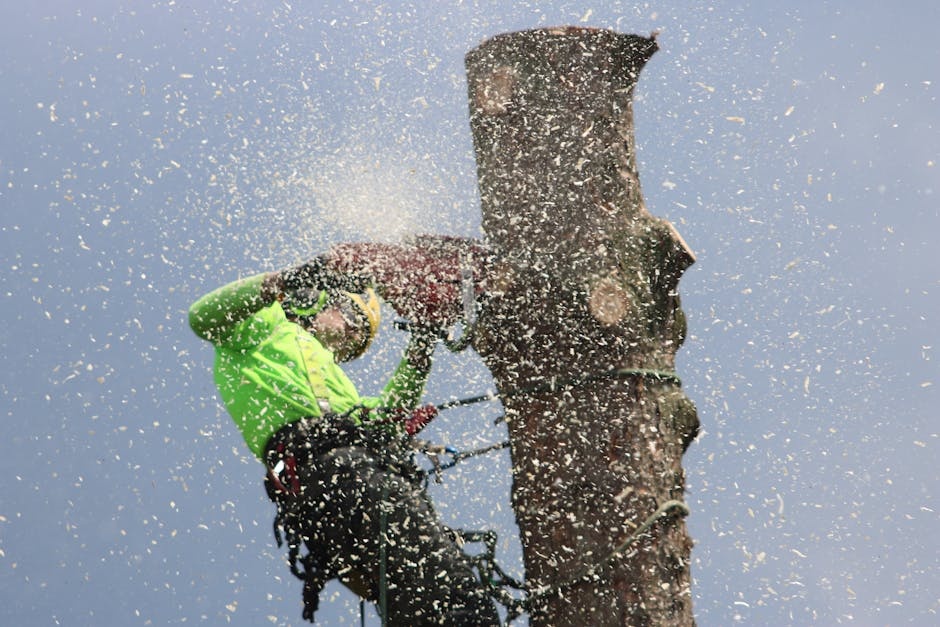
On urban sites the removal itself is a craft. You may be looking at a sectional dismantle over glass roofs, adjacent to a pedestrian walkway, or immediately beside live overheads. The crew will combine rope rigging, friction devices, and lowering techniques to control every piece. When space allows, a crane-assisted removal saves time and reduces noise. In Croydon’s narrow streets, however, crane positioning is often constrained by parking suspensions and bus routes. This is where the right team composition matters: climber, lead groundsman, banksman managing the public interface, and a supervisor liaising with site management. Good crews move fast, but they move predictably, which keeps neighbours supportive.
For developers, the critical point is programming. Croydon tree removal should occur after approvals and before heavy groundwork. Remove early enough for unobstructed access, but only after protection is in place for retained trees to avoid collateral damage during felling and extraction.
Pruning for clearance, light, and structural integrity
Not every conflict demands removal. Pruning solutions range from crown lifting for lorry clearance to crown reduction to reduce sail area or bring branches off the scaffold zone. As a rule, pruning works best when it serves a clear objective: clearance to 5.2 metres over the highway, reduced end-weight on a long lateral over a boundary, or shaping to reduce shadowing over solar panels. Ask your Croydon tree surgeon to write pruning specifications in line with BS3998 for defendable results. A phrase like “reduce southern crown by 1.5 to 2 metres, targeting pruning points under 75 mm, retaining a balanced crown profile” is both professional and verifiable.
Over-pruning can fuel regrowth and future conflicts. On construction projects, light-touch but targeted pruning often provides a three-year window that neatly covers the build phase and immediate post-completion period.
Root Protection Areas and building near trees
RPAs are the most misunderstood component of tree constraints. They are not circles to be casually nibbled. They represent the likely extent of the tree’s essential rooting volume. In reality, roots follow soil suitability, moisture, and oxygen. On sloping sites in Croydon, roots often track along terrace lines rather than strictly radial patterns. This matters when setting out a new basement, planning a retaining wall, or routing utilities.
When development must occur near trees, the options include:
- Piled foundations with suspended slabs that bridge over roots. The piles are located by hand, vacuum excavation, or air spade, with local adjustments if roots are found at pile locations. No-dig surfacing for drives and paths using cellular confinement, angular stone, and permeable finishes, so roots remain undisturbed and aerated. Service corridors outside RPAs, or, where unavoidable, trenchless installation. When hand excavation is needed, a skilled operative will expose, assess, and retain roots above specified diameters, adjusting alignments on the fly.
Croydon’s shrinkable clay adds a subsidence lens to the RPA conversation. Engineers worry about trees extracting moisture and shrinking clay. The best approach is a joint one: an arboriculturist to advise on species water demand and future size, and an engineer to design to NHBC or BRE guidance with evidence from soil investigation. Knee-jerk removal to cure hypothetical subsidence is rarely justified without data.
Temporary access, storage, and tree-friendly logistics
Most tree damage occurs not from chainsaws but from careless logistics. Stacked pallets under the dripline compact the soil in days. A delivery lorry turns on bare ground and smears the topsoil, breaking soil pores. Cement washout leaches into rooting zones and shifts pH. Detailed AMS documents will set out where you can move, park, and store materials. On constrained Croydon plots, an experienced tree surgeon will align this with your traffic management plan.
We often lay temporary ground protection consisting of a geotextile overlain with a cushioning woodchip layer and interlocking ground mats. Where skips must sit near RPAs, we specify timber bearers to spread load. When site welfare units intrude, we often insist on screw piles and a lightweight base. These are small adjustments that avoid irreversible damage and later compensation claims.
Arboricultural supervision that adds value, not bureaucracy
Some developers view arboricultural supervision as a tick box. In reality, it is insurance. A competent tree surgeon in Croydon will attend key points: pre-commencement, after fencing is installed, before excavation inside any RPA, during service installation across RPAs, and at demobilisation. Each visit produces a photographically evidenced report, lodged with your planning case file. Should a neighbour complain or a planning officer visit, you have proof that best practice was followed.
Supervision visits also spot problems early. A stressed canopy mid-build might indicate root compaction or a damaged lateral. A quick remedial action, such as decompaction with an air spade and biochar amendment, can rescue the tree and the programme.
Legal frameworks that shape tree work in Croydon
The law is not decoration. When it goes wrong, it tends to go very wrong. Fines for unlawful works to protected trees can be substantial, and reputational damage lingers in planning departments.
Tree Preservation Orders require a formal application for works, with clear reasons, specifications, and supporting evidence. In conservation areas, six weeks’ written notice is required for most works to trees above a certain stem diameter. Emergencies involving immediate risk to safety can be acted upon, but the burden of proof sits with the person who carried out the work. Keep photos and notes.
Nesting birds add a seasonal layer. Most birds are protected, so heavy pruning or removal during peak nesting (typically March to August) needs a pre-work check, and sometimes a phased approach. On busy Croydon sites, we plan heavy works for late autumn to winter where feasible.
Public highways bring their own permissions. If your works interface with pavements or roads, you may need a permit, parking suspension, or traffic management. Good Croydon tree surgeons handle this paperwork routinely and build the extra hours into the programme.
Finally, waste duties apply. Arisings must be transported under a valid waste carrier licence and disposed of at approved facilities or processed on site. Many teams chip arisings to reuse as mulch for RPA ground protection, a practical and sustainable loop if the site allows.
Engineering with trees: when collaboration matters most
The points where tree surgery meets engineering are where projects either shine or stumble. Here are recurring intersections and how to manage them.
Retaining walls near RPAs: A straightforward mass concrete wall might require deep excavation within an RPA. A designed solution using mini-piles and a king post arrangement can create a retaining structure with minimal root impact. This often costs slightly more upfront, but it removes months of negotiation and the risk of TPO refusal.
Basements beside mature trees: Expect to prove that the retained tree can withstand the altered soil moisture regime and that excavation can proceed without major root loss. Root investigation trenches, cut by air spade along the proposed line, reveal root frequency and size. With data, compromises become possible: a trimmed projection, a shifted wall line by 600 mm, or staged excavation with arboricultural attendance.
Drainage and root ingress: Old clay pipes invite roots. New well-jointed plastic pipes, correctly bedded, are usually far less vulnerable. Where line and level force a route within an RPA, trenchless methods reduce root conflict. Crossings beneath RPAs should aim for a depth where major roots are unlikely. This is where soil data and species knowledge guide decisions.
Temporary works: Scaffolds, hoists, and crane pads invariably chase the same clear ground the trees occupy. Plan for scaffold ties that avoid the tree canopy envelope. Where canopy contact is inevitable, agree a small, targeted prune with your Croydon tree surgeon rather than allow unplanned breakage by site labour.
Cost, programming, and practical trade-offs
Developers ask three things: how much, how long, how risky. Tree-related costs range widely. A straightforward BS5837 survey and AIA for a small scheme might be a few hundred to a couple of thousand pounds, rising with site complexity. An AMS with full supervision across a year-long project can be similar again. Operational works vary by scale: a single dismantle in a tight rear garden might take a day with a three-person crew, whereas a mixed set of pruning, removal, and protection install on a mid-size development could run for a week or more.
Time is usually the pinch point. Surveys should precede planning submission so constraints guide design, not chase it. Protection fencing should be installed before groundworks. Service design needs arboricultural input while there is still route flexibility. Compress these sequences and you often trade time savings now for delays later when planners or neighbours push back.
There are sensible trade-offs. Retaining a large tree near a building may require deeper foundations and ongoing maintenance, but it can add sale value, reduce overheating, and deliver immediate amenity. Removing a low-quality, unstable tree may be cleaner than heroic retention. In Croydon’s market, buyers often value mature green outlooks. Balance the spreadsheet with the placemaking.
Risk management and neighbour relations
Trees are emotive. A removal can trigger complaints. A sensitive approach helps. Letter neighbours in advance. Explain timings and what to expect. Where a notable tree is being taken down, share the reasons: decay, windthrow risk, or unavoidable Croydon tree surgeon conflict despite design changes. On one South Norwood project we milled a felled cedar on site, turning boards into benches for the communal garden. The gesture shifted sentiment and created a tangible link between old and new.
From a technical risk standpoint, thunderstorms and high winds halt work at height. Crews carry LOLER-compliant climbing kits, and rigging equipment is inspected regularly. Utility checks before cutting are non-negotiable. Underground services are as relevant as overheads. An air spade and CAT scan can prevent a disastrous strike on an uncharted cable.
Insurance should be current and adequate for site value, including public liability and professional indemnity where consultancy advice is provided. Ask for certificates, not promises.
Choosing a Croydon tree surgeon for development work
Not every contractor who handles domestic hedge cutting is suited to complex development support. Look for:
- Demonstrable BS5837 expertise with recent Croydon planning references. Ask to see a successful AIA and AMS, then verify the approval. Integrated capability: consultancy and practical teams under one roof or tightly coordinated, so advice and action align. Experience with clay soils, subsidence contexts, and constrained access typical of Croydon terraces. Clear, site-friendly documents with drawings your team can read at a glance, plus a willingness to attend coordination meetings. Robust safety culture and familiarity with highways interface, permits, and neighbour communications.
When searching, the phrases tree surgeon Croydon, tree surgery Croydon, or tree cutting Croydon will bring up a mix of options. Distinguish between those geared to domestic call-outs and Croydon tree surgeons who can engage with planners, engineers, and site managers fluently.
Real-world scenarios from Croydon sites
A small infill in Thornton Heath: The developer aimed for two mews houses behind a parade. A B-category sycamore sat close to the proposed drive. Early dialogue changed the drive to a no-dig cellular system, protected the RPA during construction, and adjusted service runs with a thrust-bored water connection. The tree remained, and planner support followed.
A rear extension in Purley on shrinkable clay: The owner feared subsidence from a mature eucalyptus. Survey and soil test indicated medium shrink-swell potential. We designed a piled solution with a suspended slab, lifted the crown to increase light, and monitored through two growing seasons. The project avoided removal, and movement stayed within tolerances.
A mixed-use scheme in South Croydon: Several trees were under TPO. Initial design clashed with RPAs and would likely have drawn refusal. The architect reoriented the building L-shape after the constraints plan, we scheduled one removal with advanced mitigation planting, and the AMS set strict site access routes. The case officer commended the approach and consent followed.
These are not exotic outcomes. They stem from punctual surveys, honest conversations about risk, and reliable crews on the tools.
Sustainability and biodiversity gains that pass the sniff test
Policy now expects measurable improvements. Net biodiversity gain links directly to trees and understory. Planting skinny whips is not enough if you remove a mature canopy. Thoughtful species selection can make a material difference. In Croydon, mixing native structural trees with climate-resilient species works well: hornbeam, field maple, small-leaved lime, and where space is tight, Amelanchier, ornamental pears, or multi-stem birches. Underplant with layered shrubs, woodland bulbs, and groundcover to create real habitat, not token lawns.
Soils deserve respect. If you have compacted ground after the build, decompact with an air spade, add organic matter and biochar, and irrigate during establishment periods. In drought summers, newly planted trees fail without attention. A two-to-three-year maintenance plan, including watering schedules, stake checks, and formative pruning, protects your investment and demonstrates responsible stewardship to the council and buyers.
Where trees must be removed, reuse the material where practical. Milling on site is not always feasible, but chipping to mulch RPAs, creating habitat piles in agreed locations, or commissioning a bench from a notable trunk can turn a loss into a narrative.
Health, safety, and programme control
Construction sites carry enough hazards without adding unmanaged tree work. Expect your Croydon tree surgeon to produce risk assessments and method statements that dovetail with the main contractor’s procedures. Inductions, PPE compliance, and clear exclusion zones around works at height are standard. Chainsaw operators should hold NPTC or equivalent certification. Climbing and rigging gear must comply with LOLER, with inspection records readily available.
Programme integration is a hallmark of professional teams. Tree operations must fit slot times when scaffolding is not obstructing access, when scaffolders are on site for immediate adaptions, or before mechanical plant is boxed in by protection fencing. Clear comms avoid costly idle time.
Noise and dust controls apply. Early morning works might satisfy programme pressure but upset neighbours. Balanced scheduling and considerate working hours are part of keeping the site running smoothly. Where work intrudes on the highway, book traffic management early. Croydon’s bus routes are unforgiving of last-minute lane closures.
Common pitfalls and how to sidestep them
Two mistakes cause most grief. The first is pushing tree surveys until after design, then discovering conflicts that force rework. Commission BS5837 surveys before sketch planning. Your design improves, and your planning odds rise.
The second is treating tree protection as movable. Once fencing lines are agreed, they are sacrosanct unless revised with arboricultural oversight. Allowing a digger to “just nip through” is the start of a slow unravelling. The soil remembers.
Less obvious traps include setting site cabins in sunny corners that happen to be within RPAs, overlooking small but ecologically valuable trees and hedgerows, and forgetting that neighbours can object loudly if not informed. A short letter-drop with a phone number pays for itself in peace.
When removal is unavoidable: doing Croydon tree removal right
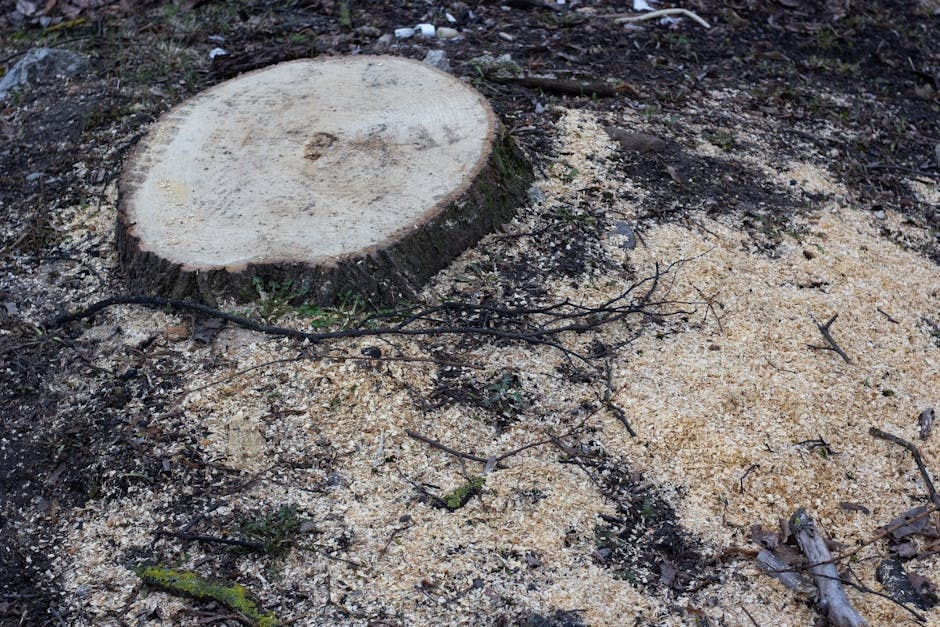
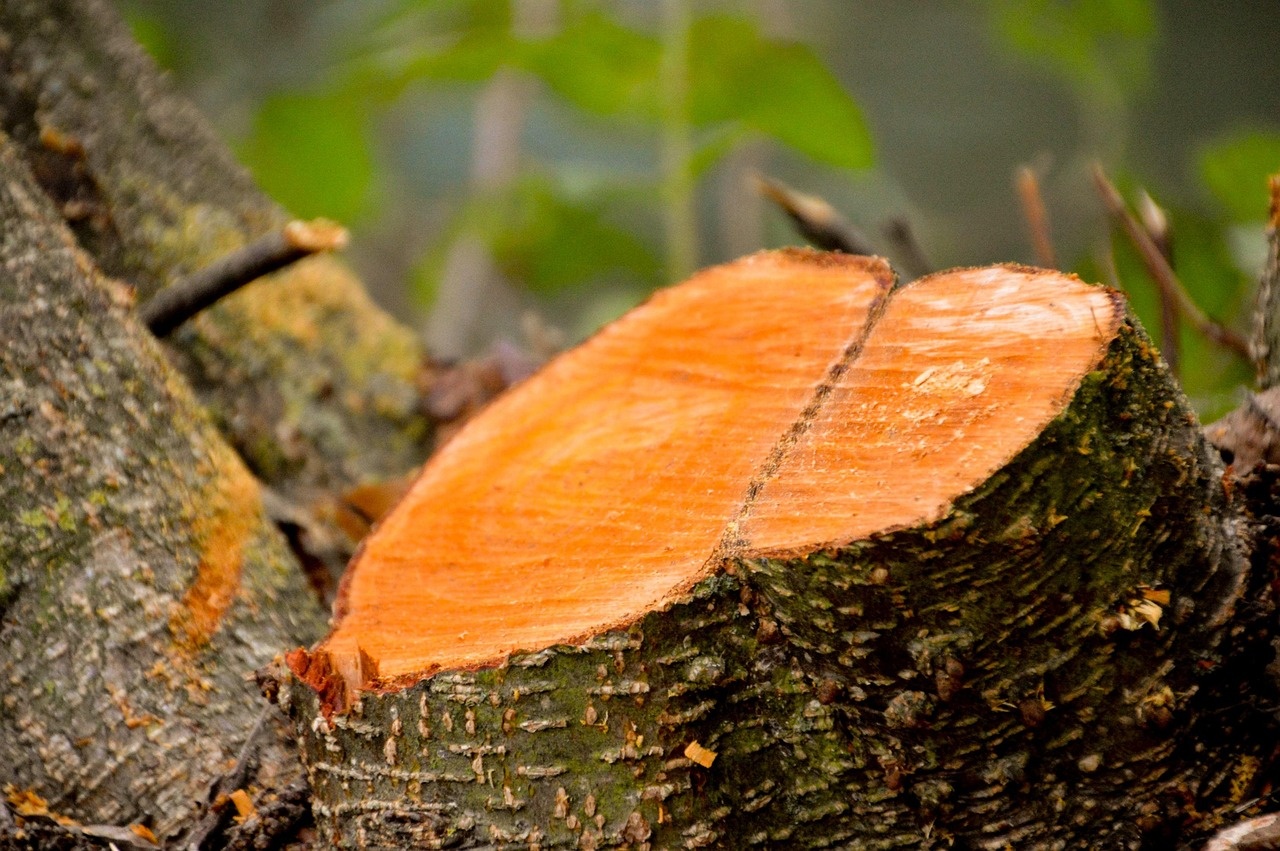
Some trees will go. Do it cleanly. Secure permission, present a thoughtful replanting plan, and schedule outside peak nesting where possible. Use rigging to protect adjacent gardens and structures. Stump management should be decided in advance. Grinding is often the best route, but in sensitive soils or near services, leave a monolith for biodiversity or treat discreetly. In impermeable courtyard surfaces, plan root barrier details and structured soils so replacement trees thrive rather than sulk.
Croydon planners often look favourably on replacement trees of meaningful size. A 14 to 16 cm girth can be a sensible baseline for instant impact. Ensure irrigation, soil volumes, and root-friendly space under paving are designed in, not left as an afterthought.
What developers can do to make the most of tree expertise
Bring your arboriculturist into the room early with the architect and engineer. Share your programme constraints. Be upfront about budget and planning risk appetite. When inevitable compromises surface, you will reach a better position faster. If you need to justify tree surgeon in Croydon fees internally, compare them to the cost of redesigns, planning refusals, and delayed completions. On a £2 million scheme, a few thousand pounds of arboricultural input that secures consent and keeps the project moving is not a luxury.
For one Croydon client, a pre-app discussion backed by a robust constraints plan saved a full planning cycle. The case officer’s feedback sharpened the design, and the approved scheme retained key trees that now headline the marketing imagery. That is the quiet win a good arboricultural partner delivers.
A practical pre-construction checklist
- Commission a BS5837 tree survey before concept design is locked. Map RPAs and shade arcs on early drawings to shape footprints and access. Engage with Croydon planning early, particularly if TPO trees are involved. Design foundations and services with arboricultural input to avoid RPAs or minimise incursion through appropriate methods. Programme tree works and protection installation ahead of groundworks, and bake supervision visits into your schedule.
The role of communication: planners, neighbours, and your own team
Clear, consistent communication avoids escalation. Agree contact points. Share AMS highlights at site inductions so everyone knows the non-negotiables. When a neighbour raises a concern about a crown lift, invite them to observe from a safe distance, explain what will change, and why. With planners, under-promise and over-deliver. If your AMS states four supervision visits, log five and file the reports. You build a track record that speeds future approvals.
On cross-disciplinary calls, translate tree constraints into construction language. Instead of “no works in the RPA,” say “this fence line is a hard boundary, no plant or storage beyond it, and the cost of breaching it is X.” Site teams understand boundaries and costs.
Final thoughts from the sharp end
Good tree work on development sites is not romantic. It is patient, technical, and relentless about detail. A capable Croydon tree surgeon brings that mentality from the first site walk to the final sign-off. They protect your programme, improve your planning outcomes, and leave you with landscapes that make completed schemes feel rooted, not dropped from a catalogue.
If you are shortlisting providers, look for evidence, not adjectives. Ask for a recent Arboricultural Impact Assessment from a Croydon scheme, a sample AMS with real sequencing, and references from site managers. Look at how they handle both Croydon tree removal and nuanced retention. Check that their reports read like instructions, not essays. Meet the person who will be on your site, not only the person who writes the proposals.
Croydon is building, and its trees are part of what makes those new homes and workplaces liveable. Choose partners who understand both sides of that equation and can prove it in the way they work with your team, your neighbours, and the borough.
Tree Thyme - Tree Surgeons
Covering London | Surrey | Kent
020 8089 4080
[email protected]
www.treethyme.co.uk
Tree Thyme - Tree Surgeons provide expert arborist services throughout Croydon, South London, Surrey and Kent. Our experienced team specialise in tree cutting, pruning, felling, stump removal, and emergency tree work for both residential and commercial clients. With a focus on safety, precision, and environmental responsibility, Tree Thyme deliver professional tree care that keeps your property looking its best and your trees healthy all year round.
Service Areas: Croydon, Purley, Wallington, Sutton, Caterham, Coulsdon, Hooley, Banstead, Shirley, West Wickham, Selsdon, Sanderstead, Warlingham, Whyteleafe and across Surrey, London, and Kent.
Google Business Profile:
View on Google Search
About Tree Thyme on Google Maps
Knowledge Graph
Knowledge Graph Extended
Follow Tree Thyme:
Facebook |
Instagram |
YouTube

Visit @treethyme on Instagram
Professional Tree Surgeons covering South London, Surrey and Kent – Tree Thyme - Tree Surgeons provide reliable tree cutting, pruning, crown reduction, tree felling, stump grinding, and emergency storm damage services. Covering all surrounding areas of South London, we’re trusted arborists delivering safe, insured and affordable tree care for homeowners, landlords, and commercial properties.
❓
Q. How much does tree surgery cost in Croydon?
A. The cost of tree surgery in the UK can vary significantly based on the type of work required, the size of the tree, and its location. On average, you can expect to pay between £300 and £1,500 for services such as tree felling, pruning, or stump removal. For instance, the removal of a large oak tree may cost upwards of £1,000, while smaller jobs like trimming a conifer could be around £200. It's essential to choose a qualified arborist who adheres to local regulations and possesses the necessary experience, as this ensures both safety and compliance with the Wildlife and Countryside Act 1981. Always obtain quotes from multiple professionals and check their credentials to ensure you receive quality service.
❓
Q. How much do tree surgeons cost per day?
A. The cost of hiring a tree surgeon in Croydon, Surrey typically ranges from £200 to £500 per day, depending on the complexity of the work and the location. Factors such as the type of tree (e.g., oak, ash) and any specific regulations regarding tree preservation orders can also influence pricing. It's advisable to obtain quotes from several qualified professionals, ensuring they have the necessary certifications, such as NPTC (National Proficiency Tests Council) qualifications. Always check for reviews and ask for references to ensure you're hiring a trustworthy expert who can safely manage your trees.
❓
Q. Is it cheaper to cut or remove a tree?
A. In Croydon, the cost of cutting down a tree generally ranges from £300 to £1,500, depending on its size, species, and location. Removal, which includes stump grinding and disposal, can add an extra £100 to £600 to the total. For instance, felling a mature oak or sycamore may be more expensive due to its size and protected status under local regulations. It's essential to consult with a qualified arborist who understands the Tree Preservation Orders (TPOs) in your area, ensuring compliance with local laws while providing expert advice. Investing in professional tree services not only guarantees safety but also contributes to better long-term management of your garden's ecosystem.
❓
Q. Is it expensive to get trees removed?
A. The cost of tree removal in Croydon can vary significantly based on factors such as the tree species, size, and location. On average, you might expect to pay between £300 to £1,500, with larger species like oak or beech often costing more due to the complexity involved. It's essential to check local regulations, as certain trees may be protected under conservation laws, which could require you to obtain permission before removal. For best results, always hire a qualified arborist who can ensure the job is done safely and in compliance with local guidelines.
❓
Q. What qualifications should I look for in a tree surgeon in Croydon?
A. When looking for a tree surgeon in Croydon, ensure they hold relevant qualifications such as NPTC (National Proficiency Tests Council) certification in tree surgery and are a member of a recognised professional body like the Arboricultural Association. Experience with local species, such as oak and sycamore, is vital, as they require specific care and pruning methods. Additionally, check if they are familiar with local regulations concerning tree preservation orders (TPOs) in your area. Expect to pay between £400 to £1,000 for comprehensive tree surgery, depending on the job's complexity. Always ask for references and verify their insurance coverage to ensure trust and authoritativeness in their services.
❓
Q. When is the best time of year to hire a tree surgeon in Croydon?
A. The best time to hire a tree surgeon in Croydon is during late autumn to early spring, typically from November to March. This period is ideal as many trees are dormant, reducing the risk of stress and promoting healthier regrowth. For services such as pruning or felling, you can expect costs to range from £200 to £1,000, depending on the size and species of the tree, such as oak or sycamore, and the complexity of the job. Additionally, consider local regulations regarding tree preservation orders, which may affect your plans. Always choose a qualified and insured tree surgeon to ensure safe and effective work.
❓
Q. Are there any tree preservation orders in Croydon that I need to be aware of?
A. In Croydon, there are indeed Tree Preservation Orders (TPOs) that protect specific trees and woodlands, ensuring their conservation due to their importance to the local environment and community. To check if a tree on your property is covered by a TPO, you can contact Croydon Council or visit their website, where they provide a searchable map of designated trees. If you wish to carry out any work on a protected tree, you must apply for permission, which can take up to eight weeks. Failing to comply can result in fines of up to £20,000, so it’s crucial to be aware of these regulations for local species such as oak and silver birch. Always consult with a qualified arborist for guidance on tree management within these legal frameworks.
❓
Q. What safety measures do tree surgeons take while working?
A. Tree surgeons in Croydon, Surrey adhere to strict safety measures to protect themselves and the public while working. They typically wear personal protective equipment (PPE) including helmets, eye protection, gloves, and chainsaw trousers, which can cost around £50 to £150. Additionally, they follow proper risk assessment protocols and ensure that they have suitable equipment for local tree species, such as oak or sycamore, to minimise hazards. Compliance with the Health and Safety at Work Act 1974 and local council regulations is crucial, ensuring that all work is conducted safely and responsibly. Always choose a qualified tree surgeon who holds relevant certifications, such as NPTC, to guarantee their expertise and adherence to safety standards.
❓
Q. Can I prune my own trees, or should I always hire a professional?
A. Pruning your own trees can be a rewarding task if you have the right knowledge and tools, particularly for smaller species like apple or cherry trees. However, for larger or more complex trees, such as oaks or sycamores, it's wise to hire a professional arborist, which typically costs between £200 and £500 depending on the job size. In the UK, it's crucial to be aware of local regulations, especially if your trees are protected by a Tree Preservation Order (TPO), which requires permission before any work is undertaken. If you're unsure, consulting with a certified tree surgeon Croydon, such as Tree Thyme, can ensure both the health of your trees and compliance with local laws.
❓
Q. What types of trees are commonly removed by tree surgeons in Croydon?
A. In Croydon, tree surgeons commonly remove species such as sycamores, and conifers, particularly when they pose risks to property or public safety. The removal process typically involves assessing the tree's health and location, with costs ranging from £300 to £1,500 depending on size and complexity. It's essential to note that tree preservation orders may apply to certain trees, so consulting with a professional for guidance on local regulations is advisable. Engaging a qualified tree surgeon ensures safe removal and compliance with legal requirements, reinforcing trust in the services provided.
Local Area Information for Croydon, Surrey